
In the era of rapid technological development, the way fans access sports events has changed significantly. Besides traditional live viewing methods, the demand for fast information updates, text-based content, and real-time data access has become increasingly important.
Sports Remote Captioner has emerged as an effective solution for supporting information transmission in the modern sports industry. This technology helps convert commentary, interviews, match analysis, and live event information into real-time text, allowing viewers to follow content more easily.
Beyond supporting broadcasting activities, Sports Remote Captioner also helps expand access to sports content across multiple platforms. The combination of human expertise and data processing technology makes information delivery faster, more accurate, and more professional.
Overview Of Sports Remote Captioner And Its Role In Online Events
The growth of online broadcasting platforms has created a strong demand for solutions that support real-time content delivery. Among them, remote captioning has become an important component in improving the experience of following sports programs.
What Is Remote Captioner In The Sports Industry?
Remote captioner refers to a process of recording and converting audio content into text through a remote working environment. In sports, this technology is commonly applied during live matches, commentary programs, athlete interviews, and major sporting events.
Sports Remote Captioner helps viewers access information through text alongside images and audio. Content such as commentator analysis, tactical information, or match developments can be displayed quickly.
The unique feature of this method lies in its ability to process continuous information in real time. Professionals need fast reactions, accurate listening skills, and certain knowledge of sports terminology.
The Development Of Remote Captioner In The Sports Industry

Along with the rapid growth of streaming platforms and digital media, the demand for more accessible sports content continues to increase. Modern sports broadcasting requires not only high-quality visuals but also diverse ways of delivering information.
Sports Remote Captioner has become an important tool in online sports broadcasting. This technology allows sports platforms to provide content suitable for different audience groups.
Beyond traditional television, remote captioning is also applied on streaming platforms, sports websites, mobile applications, and online data systems. This demonstrates the growing importance of captioning technology in modern sports.
Benefits Of Remote Captioner For Sports Fans
One of the major advantages of Sports Remote Captioner is its ability to improve the user viewing experience. Viewers may not always hear audio clearly or follow all commentary during a match.
Through live sports captioning, users can quickly understand important information such as match developments, expert analysis, or announcements from event organizers.
Furthermore, text-based information makes sports content more accessible across different devices. This is an important factor in the development of digital sports experiences.
Technology And Operating Process Of Sports Remote Captioner
Creating high-quality captioning content requires a combination of human skills, supporting software, and modern data processing technology.
The Process Of Converting Audio Into Real-Time Text
The remote captioning process begins by receiving live audio from a sports event. The captioner listens to content from commentators, reporters, or presenters.
The information is then converted into text and reviewed to ensure accuracy before being displayed to viewers. This process requires fast processing ability because sports events often develop continuously.
With the support of speech recognition technology, the conversion process has become more efficient and accurate.
Technology Supporting Remote Captioner In Sports
The development of artificial intelligence has created significant changes in the captioning industry. Speech-to-text technologies can recognize voice content and support faster subtitle generation.
However, human expertise remains essential for checking context, correcting specialized terminology, and ensuring the content matches each sport.
The combination of AI captioning technology and professional skills helps improve information delivery quality during online sports events.
Applications Of Remote Captioner In Sports Events
Sports Remote Captioner is applied in various fields such as football, basketball, tennis, esports, and international competitions.
During live broadcasts, captioning adds an additional layer of text information, helping viewers follow events more completely.
Especially with the growth of esports and streaming platforms, the demand for real-time captioning content continues to increase.
Skills And Development Trends Of Sports Remote Captioner
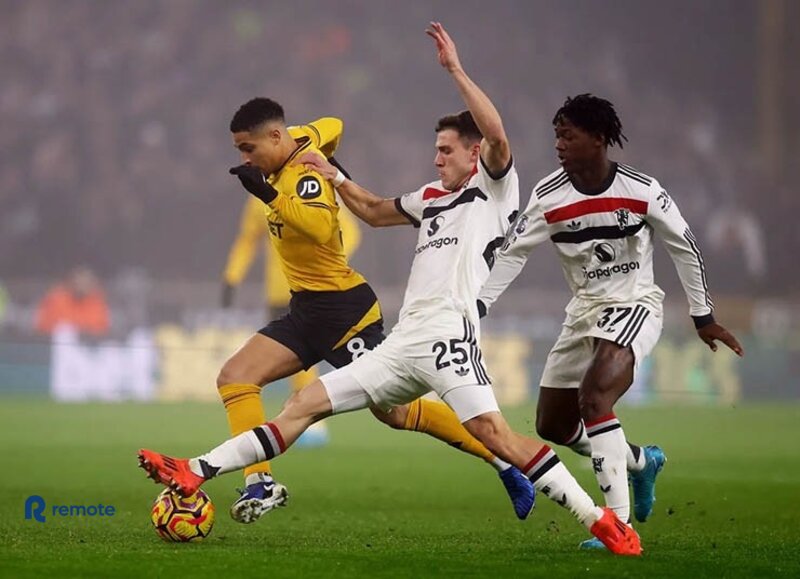
The growth of digital sports creates new opportunities for professionals working in the captioning field.
Essential Skills Of A Professional Remote Captioner
A professional remote captioner needs various important skills, including fast typing speed, quick listening ability, and accurate information processing.
Besides technical skills, sports knowledge is also necessary. Understanding specialized terminology helps ensure more accurate transcription.
The ability to maintain concentration in a real-time environment is another important requirement for this profession.
Challenges Of Working As A Sports Remote Captioner
Sports captioning requires a high level of accuracy because events happen quickly and continuously. Professionals must process large amounts of information within a short period.
Additionally, becoming familiar with terminology from different sports can be challenging. Each sport has its own vocabulary system and communication style.
Stable internet connectivity and the ability to use technology effectively also have a major impact on work performance.
Future Development Trends Of Remote Captioner
In the future, remote captioning will continue to grow alongside the expansion of digital media and sports streaming platforms.
The combination of AI, big data, and language processing technology will help create faster captioning systems, while human supervision will remain important for quality control.
Sports Remote Captioner will continue to play an essential role in the modern sports communication ecosystem, helping connect fans with sporting events in a more convenient and accessible way.
Conclusion: Sports Remote Captioner Opens A New Approach To Sports Communication
Sports Remote Captioner plays an important role in improving sports information accessibility through real-time speech-to-text technology. The combination of human expertise and modern technology helps sporting events become more accessible, professional, and flexible — visit Remote Captioner.
As online sports continue to grow, remote captioning is no longer just a broadcasting support tool but also an essential solution for creating comprehensive sports content experiences across digital platforms.